
Correction Coordination
From Finding to Sign-Off, One Point of Contact.
We run the vendors, the permits, and the fire-prevention conversation so your operations and property teams can stay focused on the building — not on chasing three subcontractors across two agencies.
Six Reasons Teams Hand the Coordination to Us
From Report Intake to Final AHJ Sign-Off
Report Intake & Triage
We start from your existing findings — whether they came from our operational risk review, a fire-marshal citation, an insurance engineer report, or your own internal audit. Each item is triaged by life-safety priority, statutory deadline, and vendor dependency so we know what has to move first and what can wait.
Vendor Match, Scope & Quote
We match each item to the right specialty vendor, assess the building with them so the quote reflects actual conditions, and present consolidated scope with a clear authorization path. You approve scope once — not ten times across ten separate estimates.
Scheduled Execution & Oversight
Work is scheduled around your operations. We attend the site during critical phases, verify installation against code and the original finding, and document the correction in the same format the AHJ and your insurance carrier expect to see.
AHJ Coordination & Final Sign-Off
When re-inspection is required, we schedule it, attend with the inspector, and carry the paperwork to closure. You receive a final correction package — photos, invoices, permits, sign-offs — archived in one place for insurance, lease, and audit purposes.
Coordinated Corrections That Reached Sign-Off
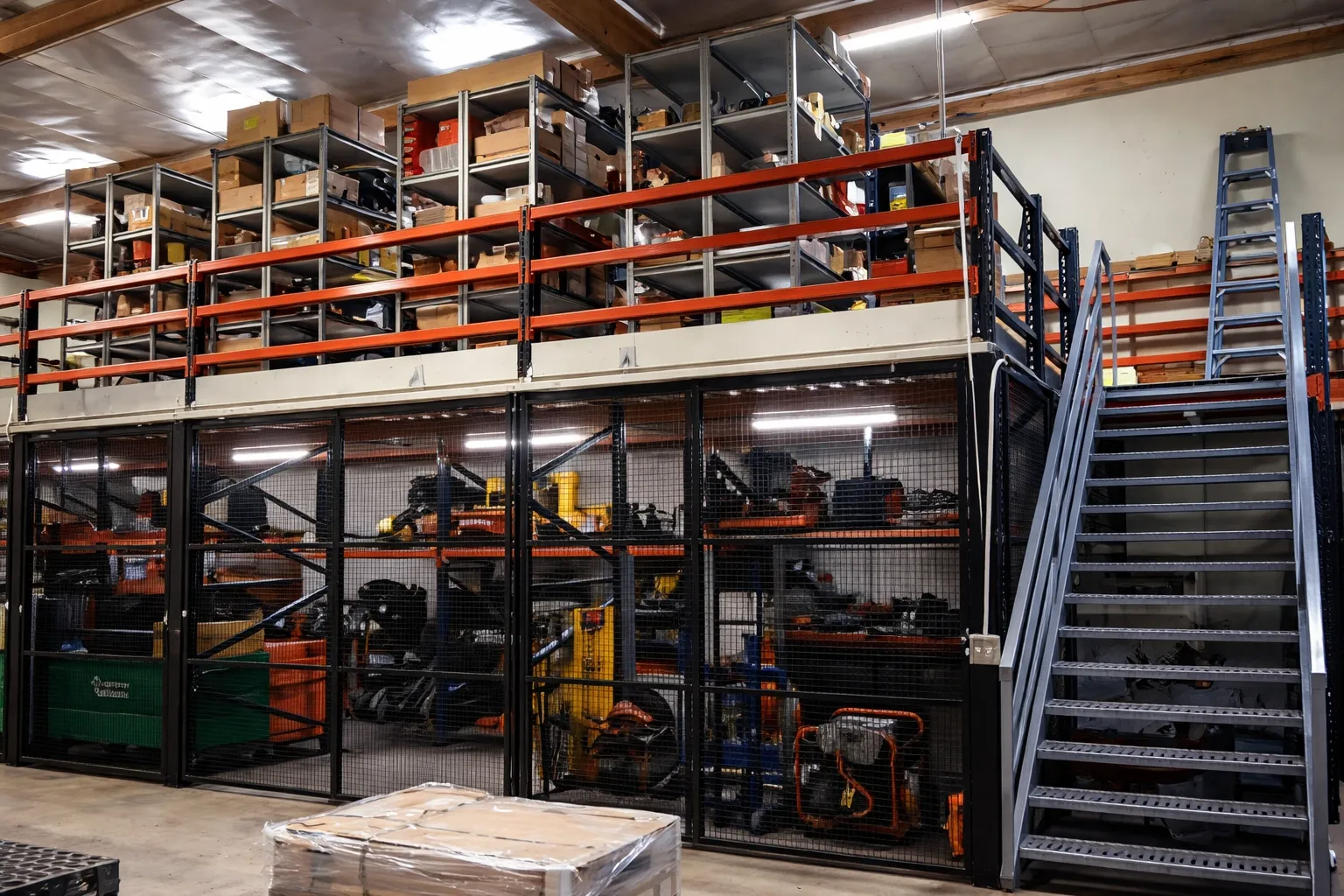



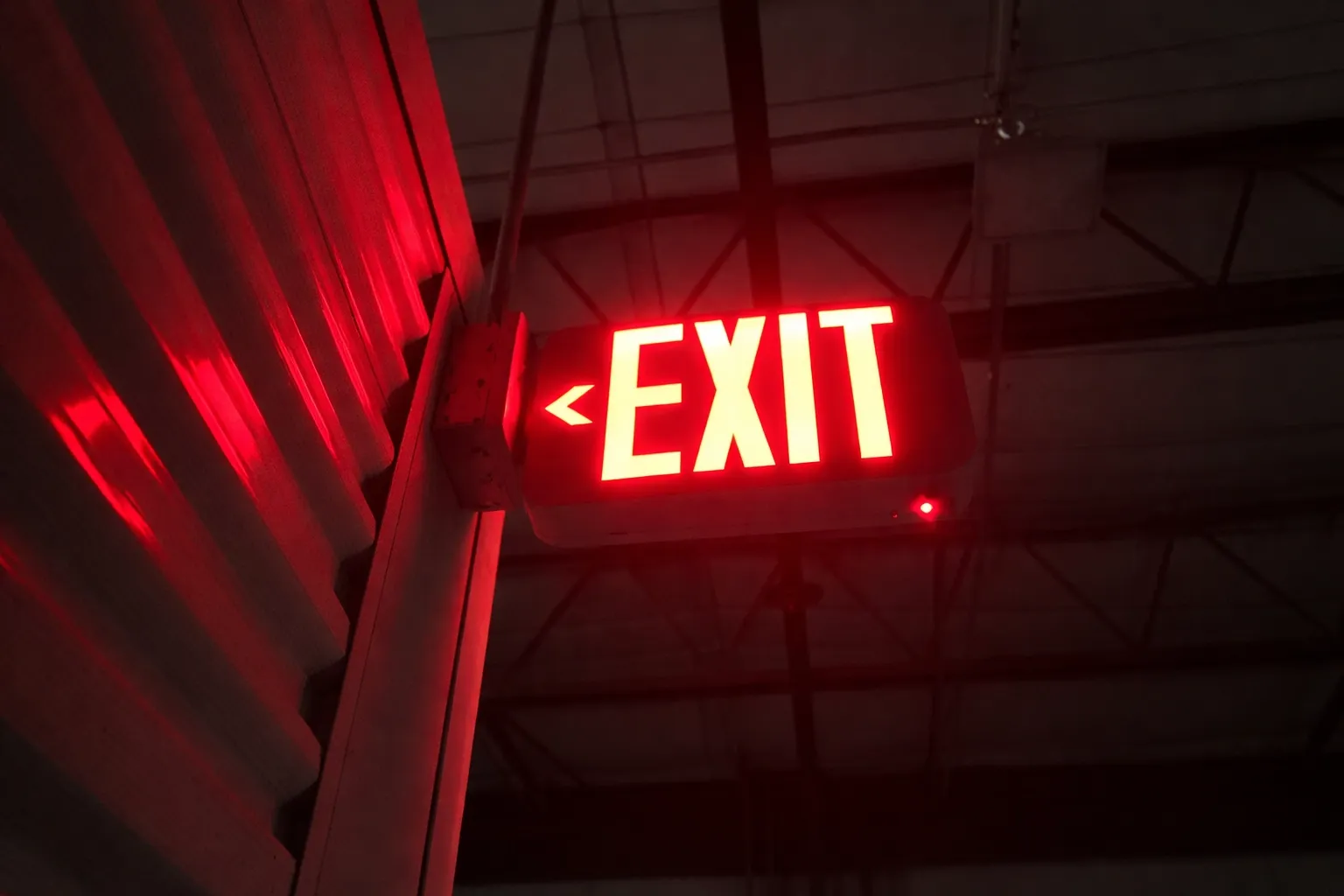
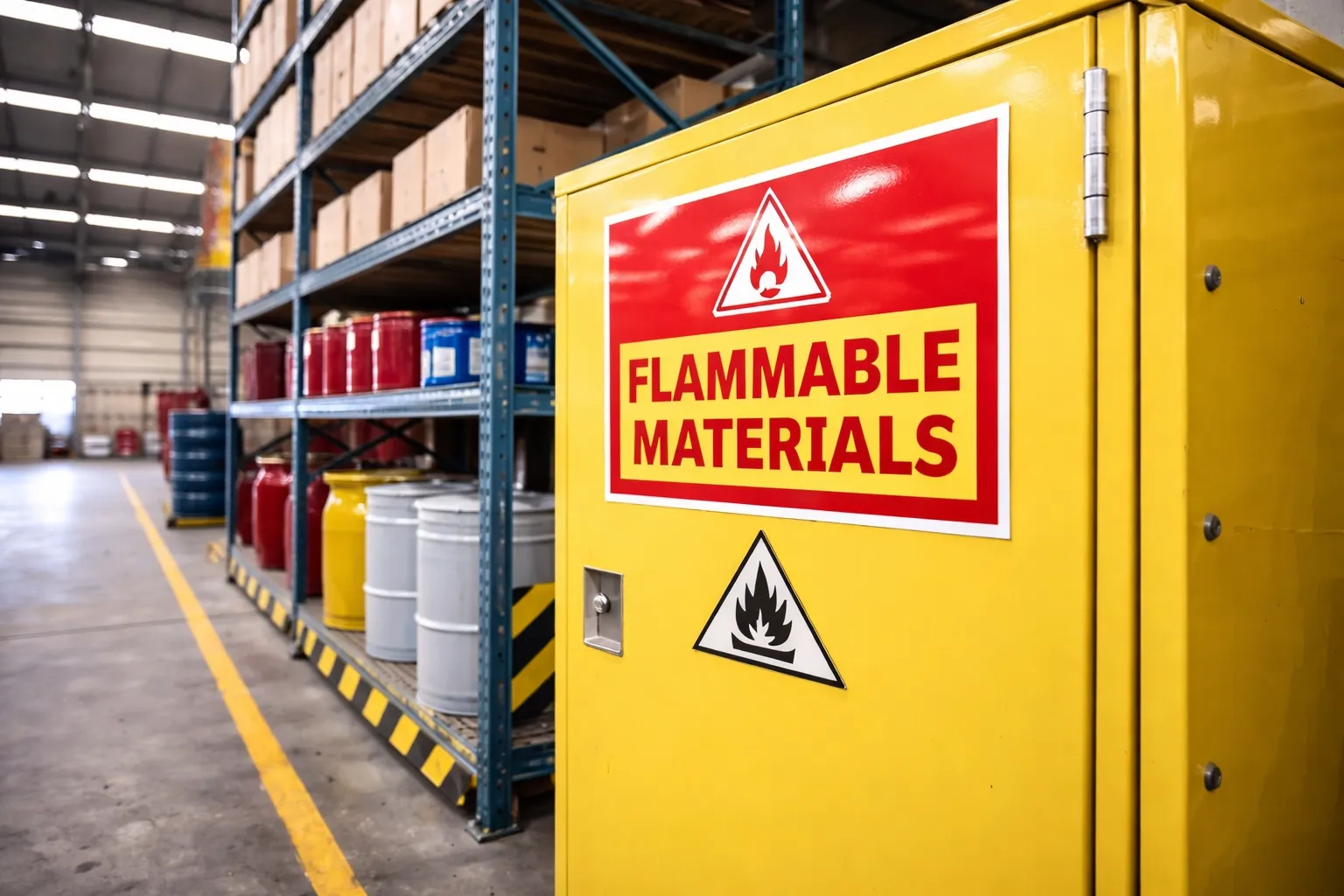
Finding the problem is the easy part. The real lift is getting three licensed trades, a property manager, and fire prevention pointed at the same finish line — on the same week. That is the part we run.
Founder · Fire Captain
What Property Teams Ask Before Handing Off the Work
Do we have to start with one of your reviews, or can you coordinate corrections from an outside report?
Either works. Roughly half of our coordination engagements start from a First In Fire Compliance operational risk review or risk-identification report. The other half start from an outside document — a fire-marshal citation, an insurance engineer loss-control report, a lender-required inspection, or an internal facilities audit. We re-triage the findings on day one, but we do not require you to re-buy the assessment.
Are you the contractor performing the corrections yourselves?
No. We are not a sprinkler contractor, alarm contractor, or electrical contractor, and we do not hold those licenses. We are the coordination layer that sits between you and the specialty trades — writing scope, vetting quotes, scheduling, overseeing installation, and closing out with the AHJ. That separation is intentional: the party supervising the work should not also be the party billing for it.
How do you choose which vendor performs the work?
We maintain relationships with licensed, insured contractors across sprinkler, alarm, extinguisher, electrical, and low-voltage trades. Selection is based on scope fit, availability, past documented performance, and the specific AHJ the work will be inspected under. You see the comparison, not just a single pre-selected bid — and if you already have a preferred contractor, we work with them as long as licensing and insurance check out.
What kinds of corrections are in scope — and what is out of scope?
In scope: sprinkler, fire alarm, egress, emergency lighting, extinguishers, Knox Box, flammable-liquid storage, housekeeping, permit closure, minor electrical and architectural work that drives a fire-code correction. Out of scope: structural repair, non-life-safety tenant improvement, environmental remediation, and anything outside the life-safety envelope. When a finding crosses into those areas, we help source the right specialty partner and stay in the coordination role rather than pretending the scope is ours.
How quickly can you start if we already have a deadline?
If fire prevention has given you a re-inspection date or a notice-to-comply deadline, intake can begin within 24 hours and vendors can be on site the same week for triage. Most coordination engagements reach sign-off inside the AHJ window when we are engaged early. If the deadline has already passed and a hearing is on the calendar, we can still step in — but call first, because the coordination path changes materially once enforcement escalates.
From Open Findings to Closed Permits
Hand Off the Coordination. Keep the Building.
Send us the report — ours, the city's, your insurer's, or an internal audit. We will triage it, price the work, and carry it to AHJ sign-off while your team stays on operations.