Ongoing Compliance Programs
Walk the Portfolio on a Schedule — Not a Siren.
Quarterly and annual fire-code compliance programs for multi-site operators. Scheduled Fire Captain walks, portfolio-level trend tracking, and priority response when something unscheduled surfaces.
Six Outcomes a Standing Program Produces
From Baseline Walk to Annual Portfolio Review
Portfolio Intake & Baseline Walk
Every program begins with a full baseline walk of each site so we enter the program year with a documented starting point — not a best guess. We build a property file per site: occupancy classification, permitted storage, known AHJs, past citation history, and the conditions of the building as of day one.
Cadence Design & Site Plan
Together we choose the right walk cadence per site based on risk, size, and inspection history. High-hazard occupancies may land on quarterly; office-heavy portfolios often work on semi-annual. We publish the walk calendar for the year so operations, property management, and finance all see the schedule in advance.
Recurring Walks & Trend Tracking
Each scheduled walk produces a photo-documented report in the same format every quarter, so findings are comparable over time. Closed items disappear; recurring items escalate; new items are scored. Leadership receives a portfolio summary each quarter that shows the direction of travel, not just the snapshot.
Annual Review & Renewal Planning
At the end of each program year we produce a portfolio-level annual summary: findings opened, findings closed, trend lines, insurance-relevant events, capital items rolling into next year. It doubles as a renewal conversation anchor and as a feeder into your next budget cycle.
The Conditions a Portfolio Watches Quarter Over Quarter

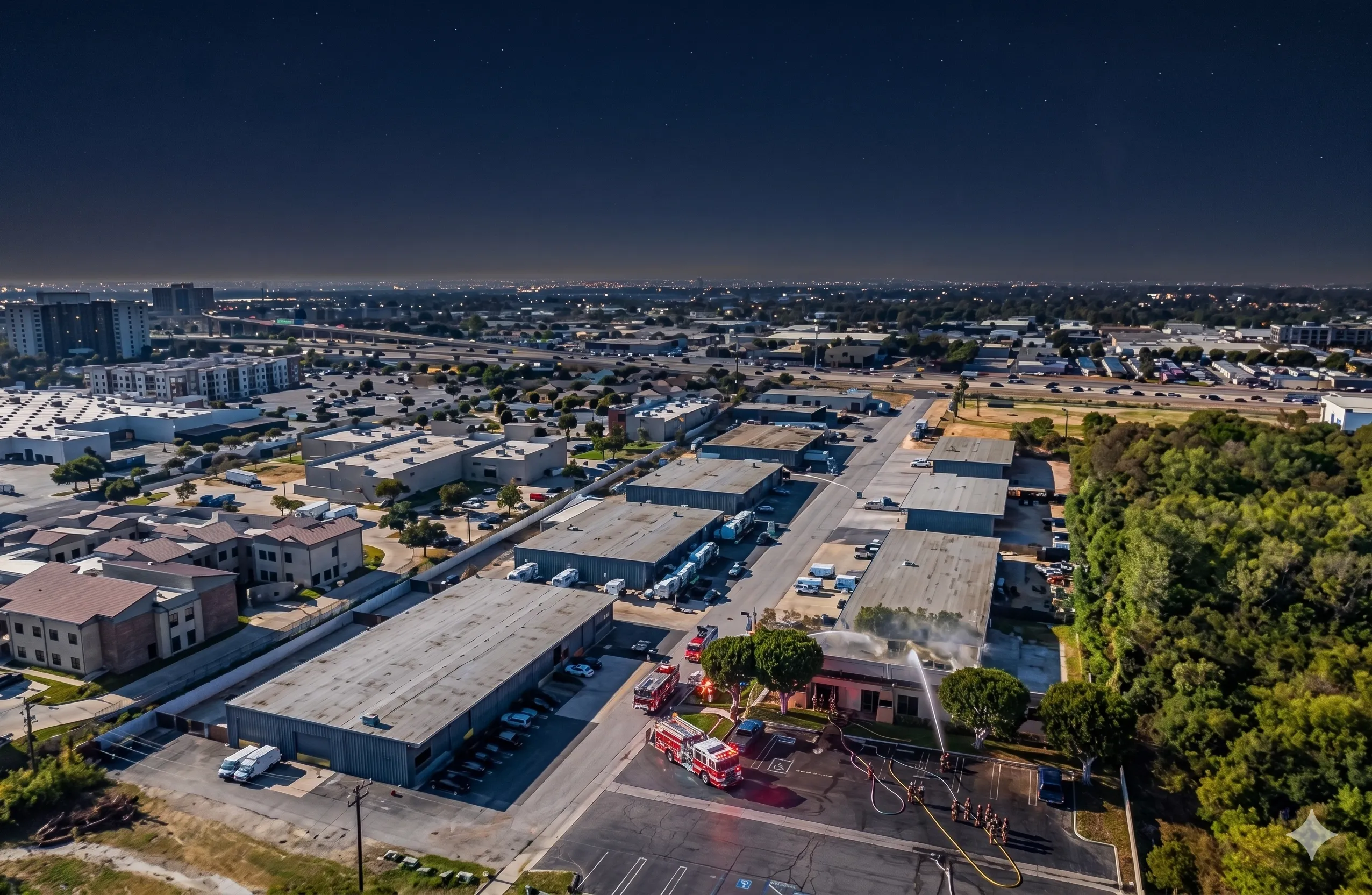
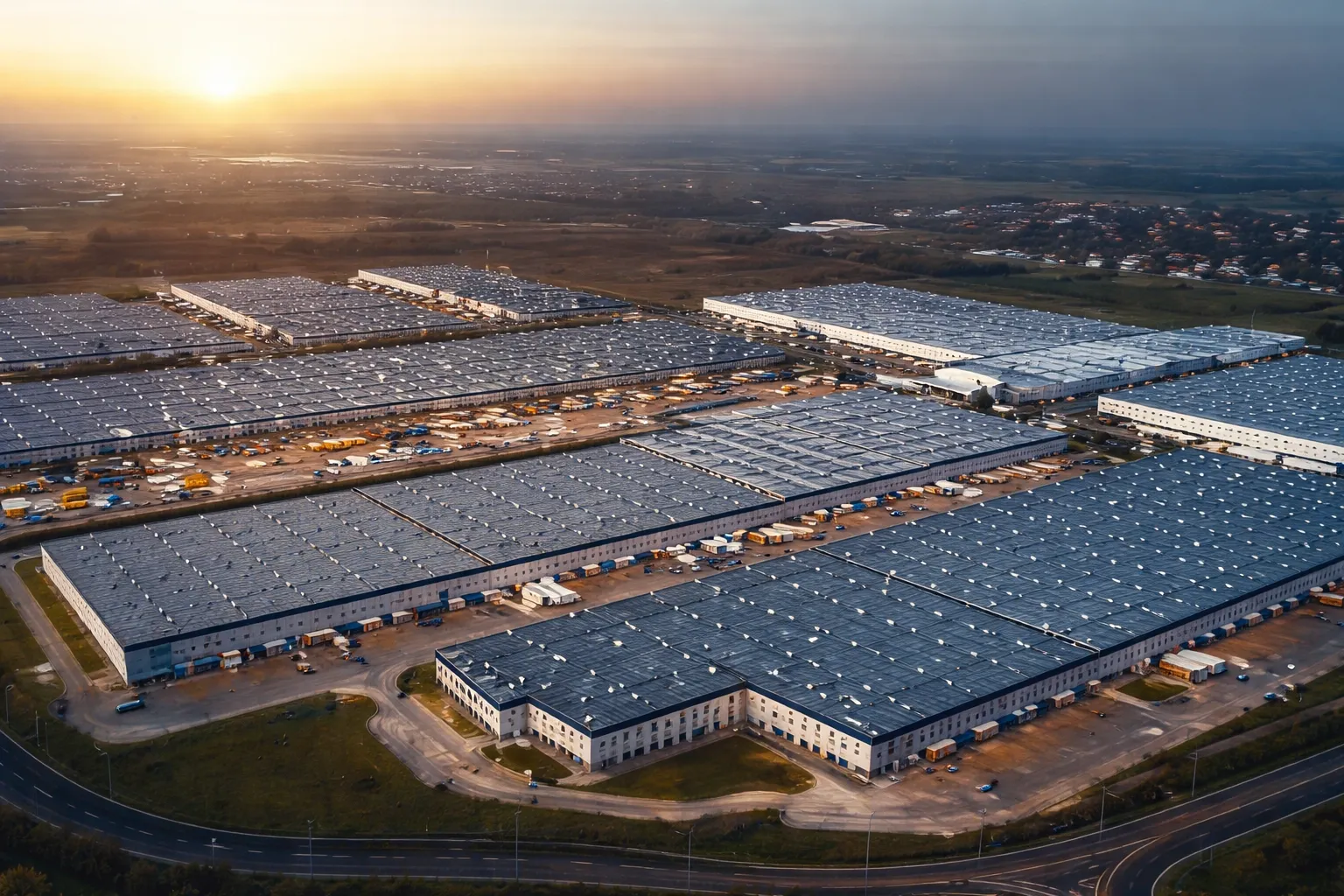

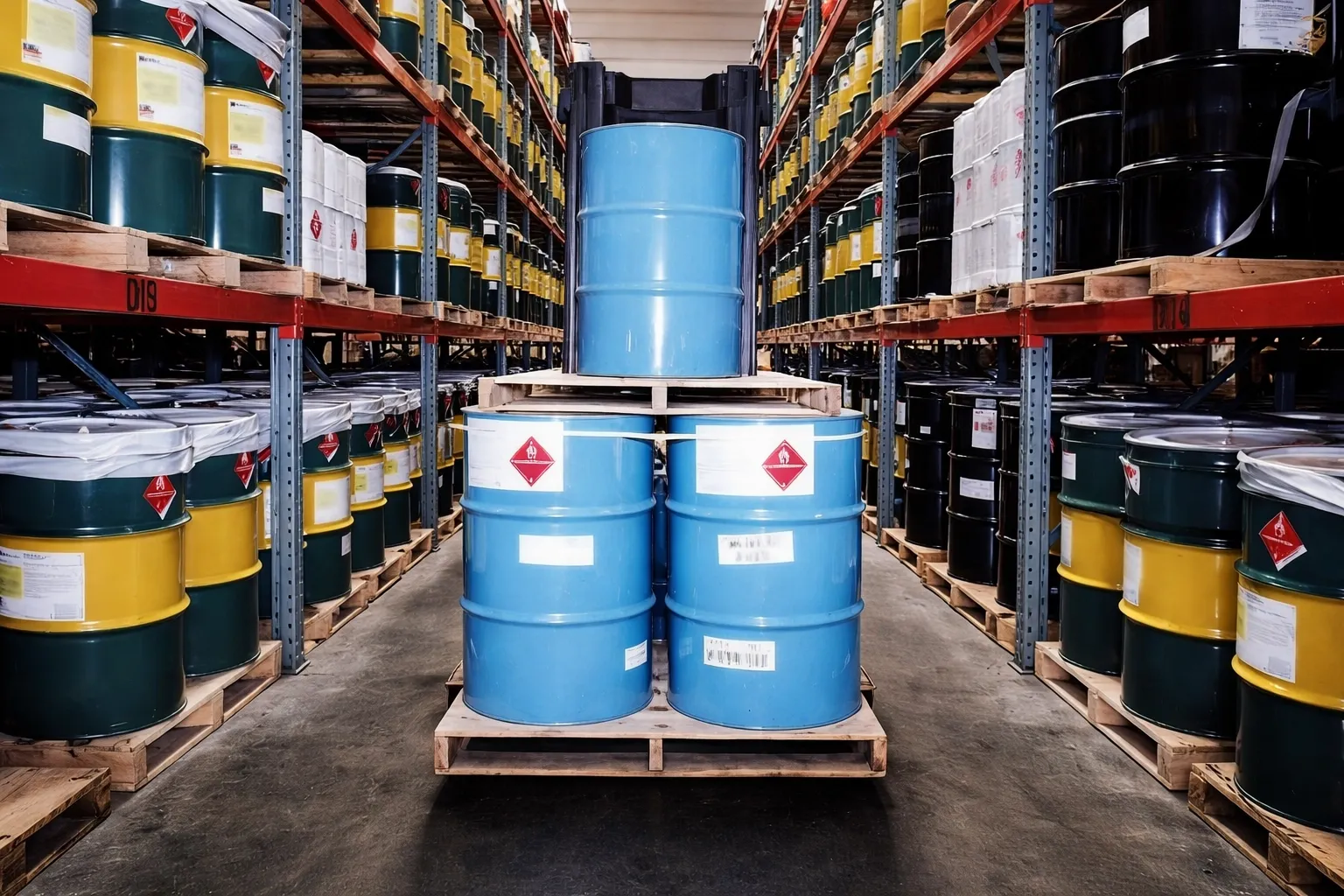
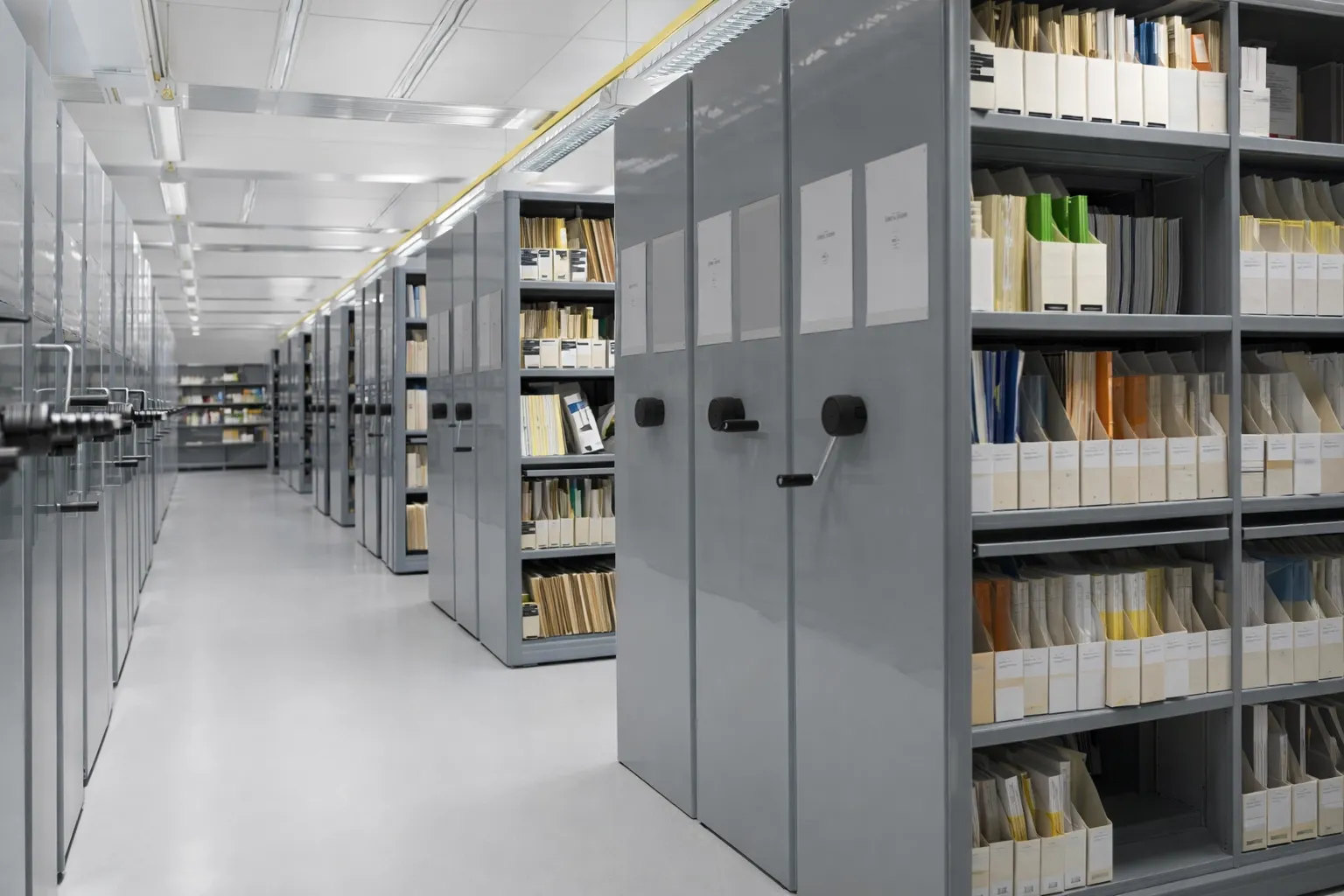
A single walk catches what is wrong today. A program catches what is trending — the five sites that always re-open the same finding, the one tenant whose storage keeps creeping, the AHJ that is starting to look harder at a specific occupancy class.
Founder · Fire Captain
What Portfolio Operators Ask Before Signing On
What size portfolio does this program make sense for?
As small as two properties and as large as several dozen. The program is built for operators and owners who have recurring life-safety exposure across more than one site — industrial portfolios, multi-tenant property managers, logistics and manufacturing operators, and hospitality or healthcare groups. A single building is usually better served by a standalone readiness review each year rather than a full program.
How do you pick the walk cadence for each site?
Cadence is driven by risk and operational volatility. High-hazard occupancies — high-pile storage, flammable-liquid handling, heavy public assembly — typically land on quarterly. Office, light industrial, and stable tenancies often work on semi-annual. Portfolios mix cadences across sites, and we adjust year over year based on what the trend data is telling us.
What does a quarterly report contain across a portfolio of sites?
Each property receives its own photo-documented report, scored and prioritized. On top of that, the quarter closes with a portfolio-level summary: findings opened and closed, recurring items, sites trending up or down, regulatory or insurance events during the quarter, and a short list of portfolio-level recommendations. The summary is designed for leadership review — not for operations to decode.
Can you coordinate with our internal EHS or risk team?
Yes — and we prefer it. The best programs run alongside an internal EHS, risk, or facilities team rather than replacing one. We align on reporting format, escalation thresholds, and shared site files so your team does not end up maintaining two parallel compliance records. For clients without an internal EHS function, the program covers the function end-to-end.
What happens if a site is cited or has an incident between scheduled walks?
Program clients get priority response. One call triggers an unscheduled site visit — typically within days — and the incident or citation is rolled into the active site file so the response and the long-term record stay connected. For severe events we engage Correction Coordination in parallel so vendor mobilization starts before the post-incident paperwork catches up.
Move From Reactive to Programmatic
Put the Portfolio on a Walk Calendar.
Scope a program across your sites. Baseline walks, a published cadence, quarterly trend reporting, and priority response when something unscheduled lands on the calendar.