
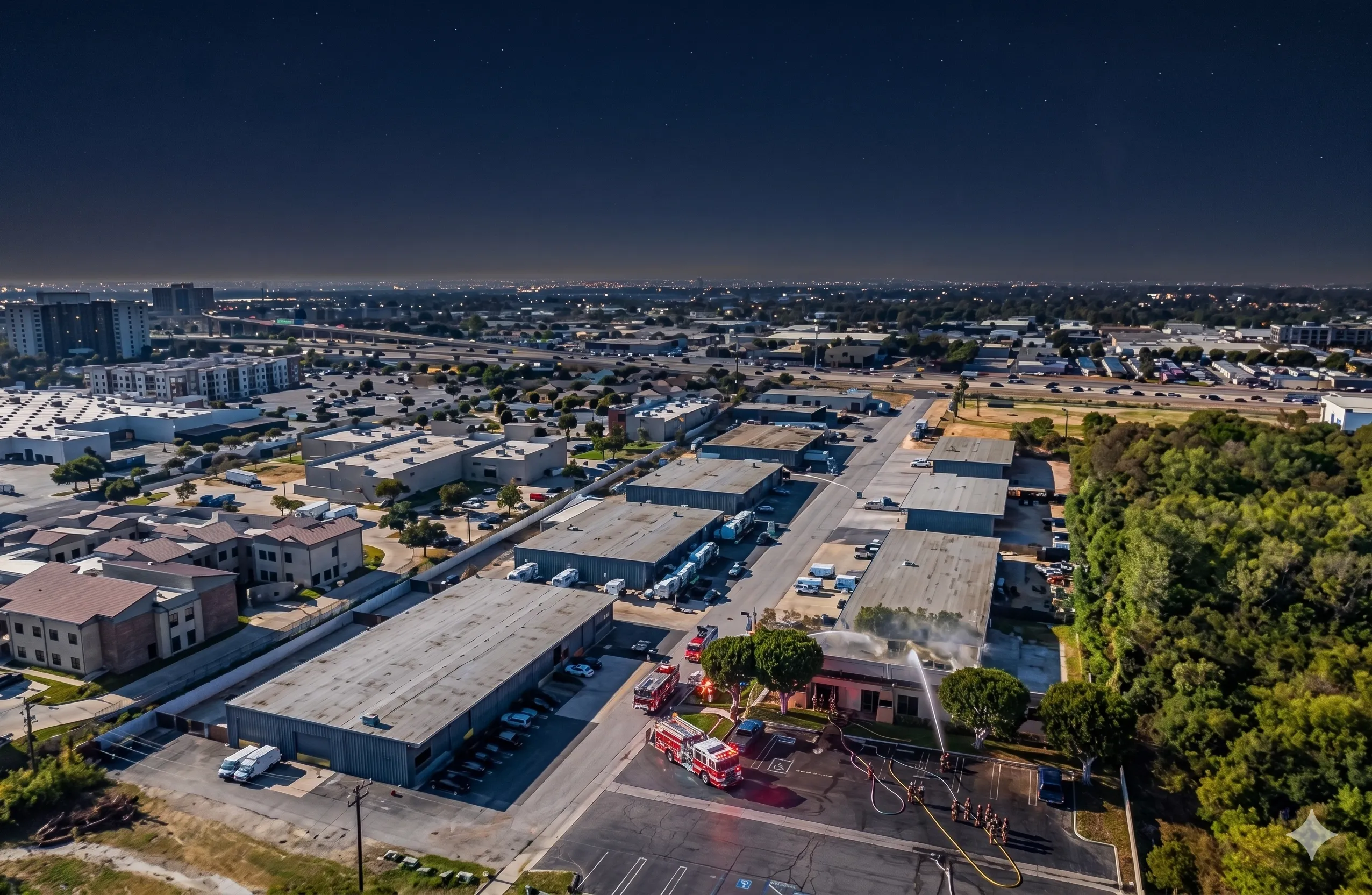
Tenant Improvement & Changeover Reviews
Catch Buildout Gaps Before Move-In Day.
Pre-occupancy and post-TI reviews led by a Fire Captain. We compare the approved plans to the actual buildout and hand you a photo-documented report you can act on before final sign-off.
The Six Buildout Risks That Stall Move-In
From Plans Review to Certificate of Occupancy
Pre-Walk Scoping & Plans Review
A scoping call plus a quick look at the approved TI drawings, permit set, and the scope the general contractor actually built. We arrive on site already knowing what the building was supposed to become — so the review focuses on gaps, not orientation.
On-Site Pre-Occupancy Review
Two to four hours on the floor with a Fire Captain, assessing the completed buildout the way Fire Prevention and the Building Official will. We verify egress, sprinkler coverage, life-safety devices, Knox Box / access, and the interface between the TI work and the existing building systems.
Photo-Documented Report
Delivered within an agreed window set during scoping. Every finding photographed, located on the floor, tied to the specific code concern or plan deviation, and paired with a recommended correction. Clear enough to hand to the GC, defensible enough for the landlord, tenant, and AHJ.
Correction Coordination & Closeout (Optional)
When the report surfaces items that could stall sign-off or move-in, we move the list into Correction Coordination — working directly with licensed, insured vendors and, where needed, with fire prevention. One point of contact from review to certificate of occupancy.
The Transition Zones Where TI Problems Hide


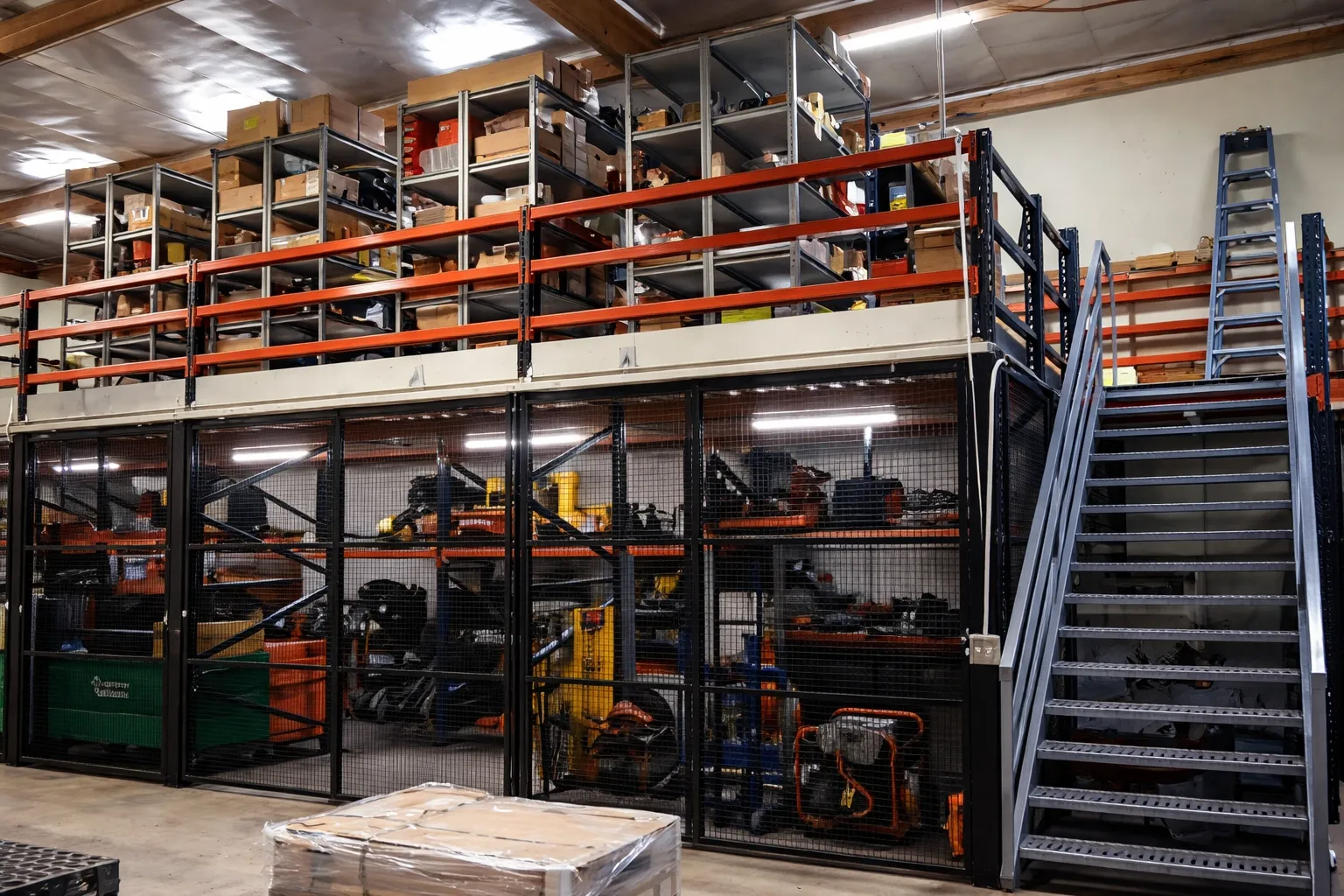
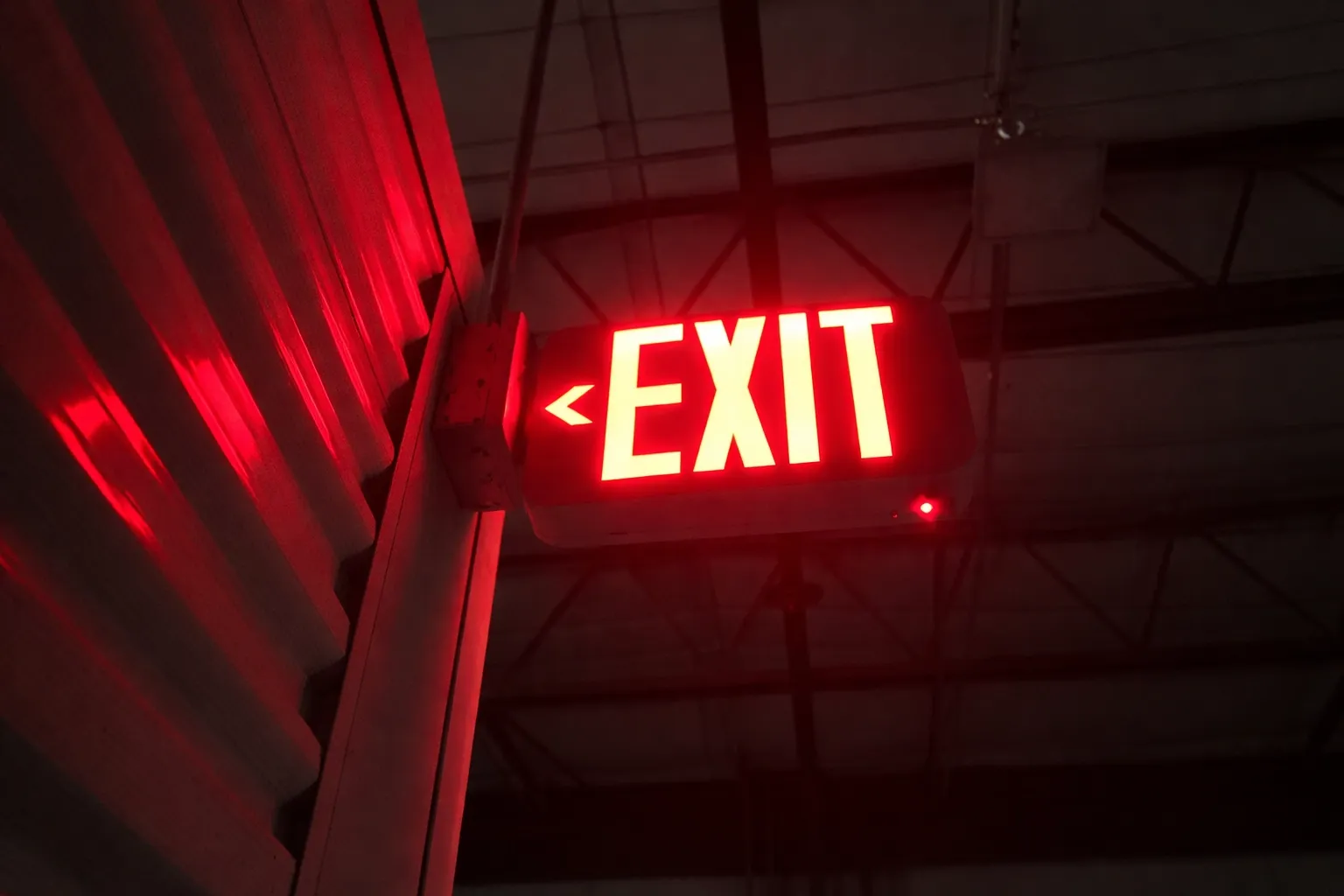
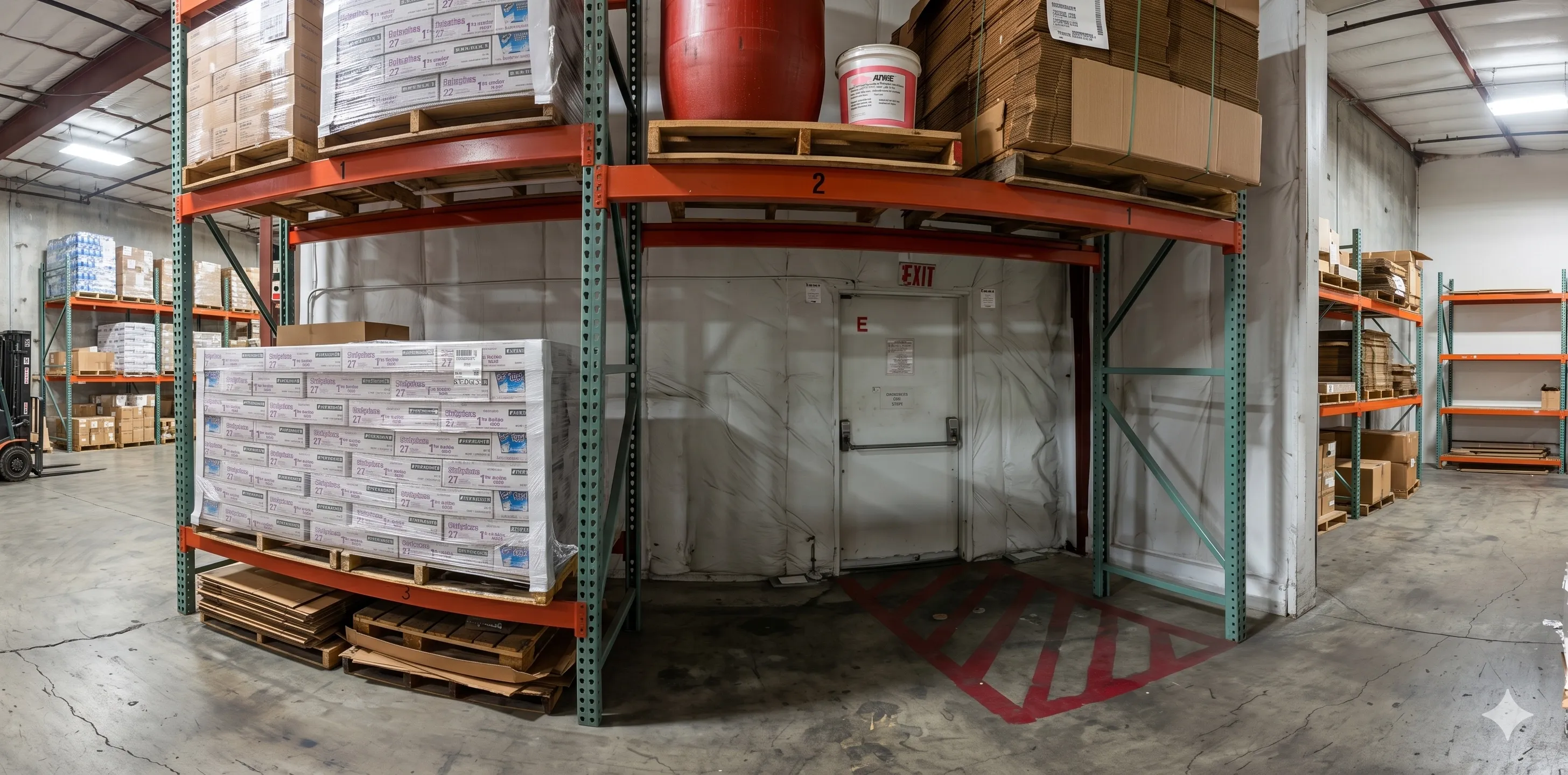

When a tenant improvement opens late, it is almost never one big failure — it is five small gaps between the approved plans and the actual buildout. We find those on a Tuesday, not on sign-off day.
Founder · Fire Captain
What Landlords, Tenants & GCs Ask Before Scheduling
What is a Tenant Improvement & Changeover Review?
A Fire Captain–led review of a completed or near-complete tenant improvement — before the official fire or building inspection. We compare the approved permit set and life-safety plan to the actual buildout, evaluate egress, sprinkler coverage, life-safety devices, Knox Box / emergency access, and occupancy-use fit, and deliver a photo-documented report within an agreed window set during scoping. The goal is to catch plan-to-field gaps while there is still time to correct them without delaying certificate of occupancy or tenant move-in.
When should we schedule it — before or after construction?
Both, depending on risk. Most engagements happen near the end of construction (punch-list stage) and again after final finishes, so we catch life-safety items that get buried behind ceilings, walls, or racking. For larger or more complex fit-outs, a mid-construction visit is worth scheduling as well. Our Operational Risk Reviews cover the operating phase; tenant improvement reviews specifically cover the buildout-to-occupancy transition.
Who typically requests this — the landlord, tenant, or contractor?
All three. Landlords and property managers use it to protect the asset and document condition during changeovers. Tenants use it to avoid move-in delays and to verify the space they are receiving matches what was permitted. General contractors use it as a pre-inspection gut check before requesting final sign-off. The report is built so it can be shared across all three parties without translation.
How is this different from the city's final fire and building inspection?
The AHJ inspection exists to approve or deny — not to help you prepare. Inspectors do not prioritize findings, coordinate corrections, or flag items the contractor still has time to fix. A pre-occupancy review identifies the same exposures earlier, on your schedule, and hands you a correction path led by someone who has spent a career on the enforcement side. Think of it as a friendly pre-read of the same checklist the AHJ will use.
What goes into the report, and who uses it?
A photo-documented PDF organized by risk priority. Each finding shows a photo, the location inside the suite, the specific code or plan deviation, and a recommended correction. The format is built to be used by operations, property management, the GC, insurance carriers, and fire prevention without rewriting. For larger portfolios we can roll findings into a single changeover summary across multiple suites.
What happens if we find items that could block sign-off?
You get them in writing before the AHJ does — which is the entire point. From there you can hand the list to your GC, or we can move it into our Correction Coordination service and drive the work to closure with licensed, insured vendors. If fire prevention is already involved, we can interface directly so the correction path and the inspection path stay aligned.
Before You Open the Doors
Find the Gaps That Delay Move-In.
Schedule a pre-occupancy review. Scope and quote within 48 hours; walk scheduled within 1–2 weeks; report delivered within an agreed window — and a clear correction path with our Correction Coordination team if the report surfaces work to close.