
Inspection Exposure Analysis
Map Exposure Before it Becomes Enforcement.
We identify what gets flagged before it impacts operations, inspections or insurance. A Fire Captain–led assessment of how your property actually operates—not how it's designed on paper. We surface where risk builds, how it gets flagged, and what it exposes across operations, inspections, and insurance.
Risk Doesn't Show Up as a Checklist.
It builds across operations, changes, and assumptions—often unnoticed until inspection, incident, or review.
We don't list issues. We map exposure—so it can be addressed before it surfaces.
From Initial Alignment to Execution
Initial Alignment Call
A focused 10-minute call to understand what triggered the request—an inspection issue, operational change, acquisition, or insurance requirement. We align on where exposure may exist and define the scope around what actually matters, not a generic checklist.
On-Site Exposure Assessment
Two to six hours on-site, depending on size and scope. We evaluate the property the way enforcement sees it—capturing real-world exposure as it exists in operations, not how it appears on plans or in reports.
Exposure Prioritization and Action Plan
Delivered within 3–5 business days as a clear, structured deliverable. Each exposure is prioritized by impact and likelihood, with defined next steps for resolution. Built for leadership, operations, and insurance to align quickly and act without interpretation.
Execution and Resolution
High-priority items move into execution with direct coordination to ensure issues are resolved correctly and efficiently. We stay aligned through completion so exposure is not just identified—it's fully addressed.
Where Exposure Lives In Operations
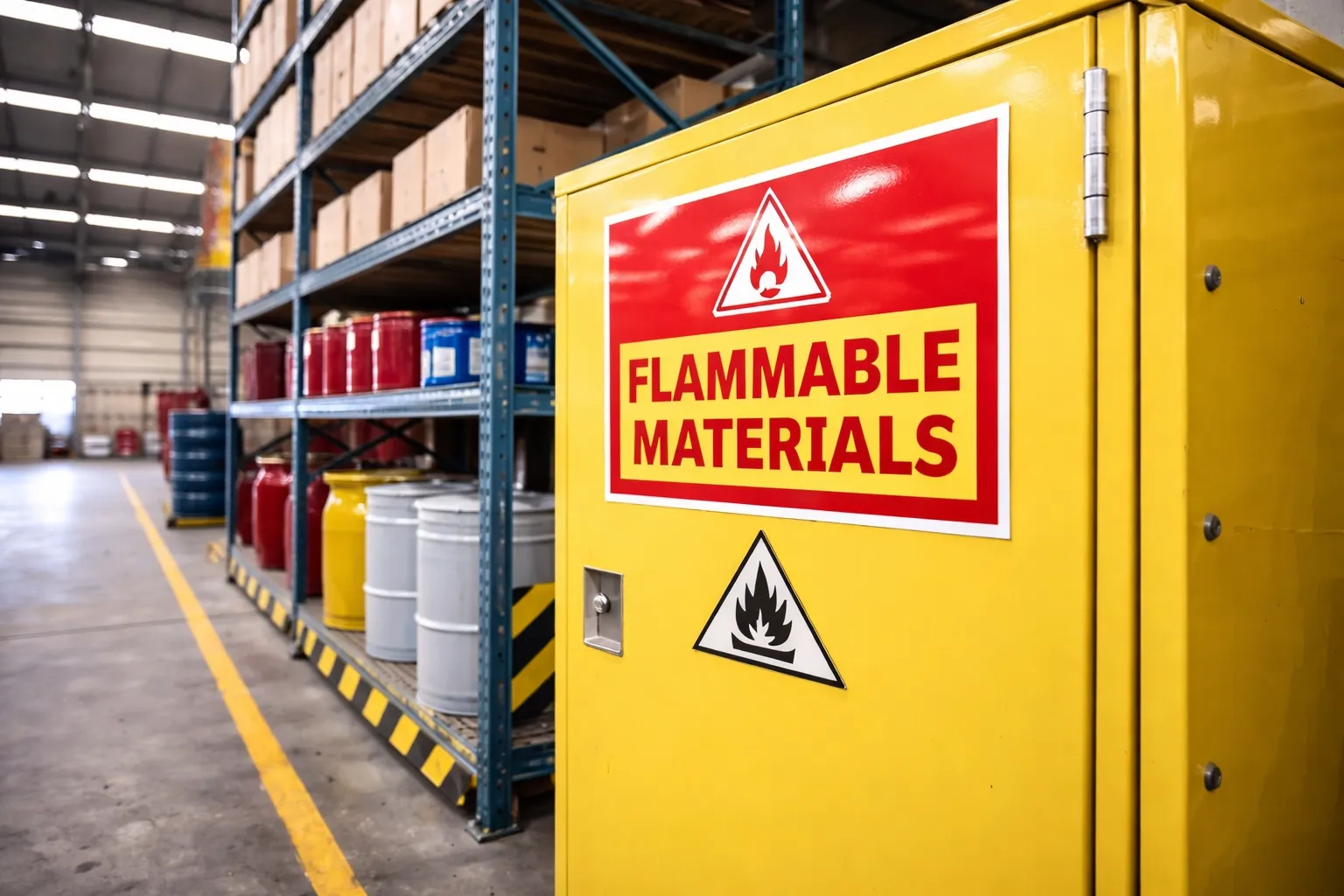
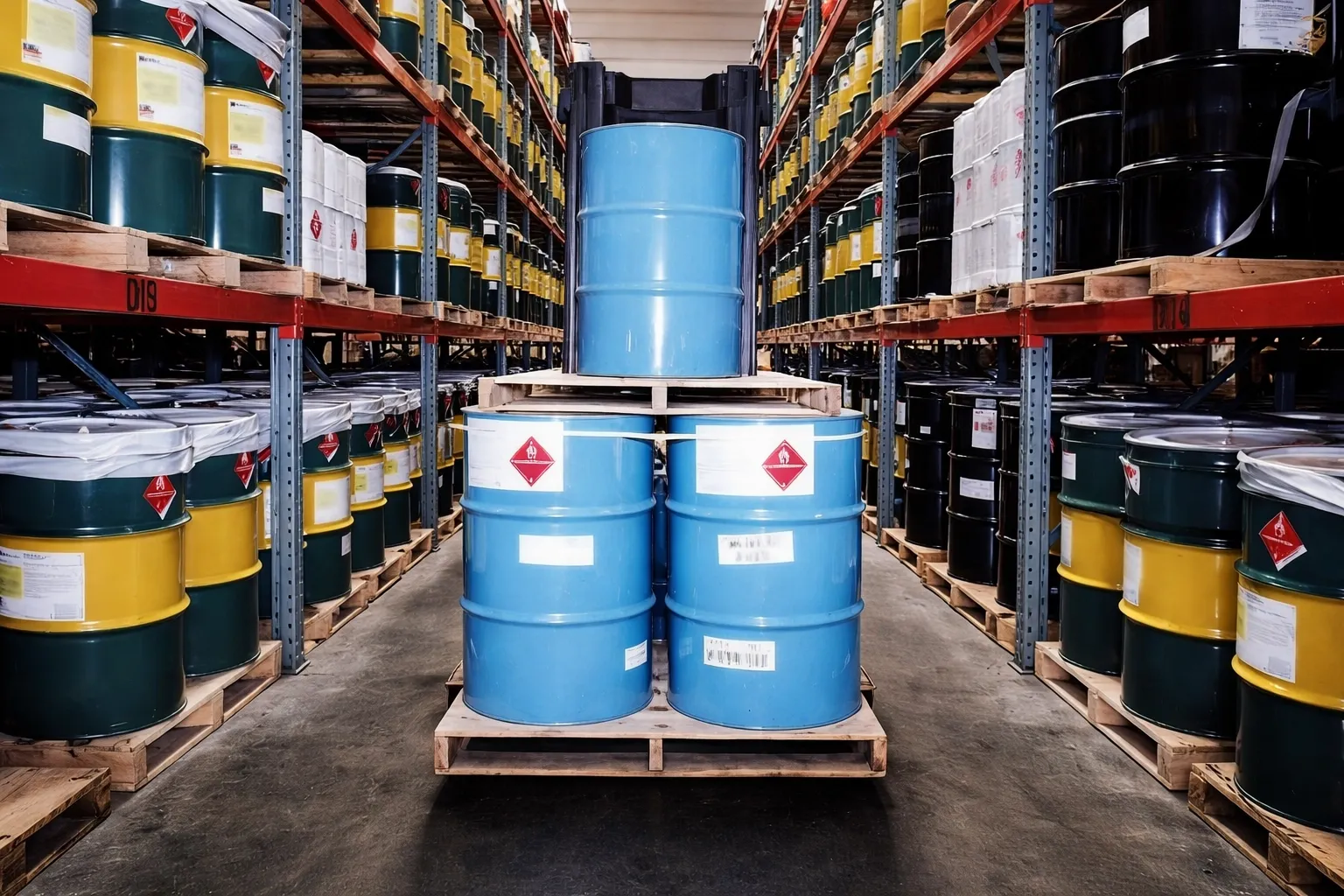


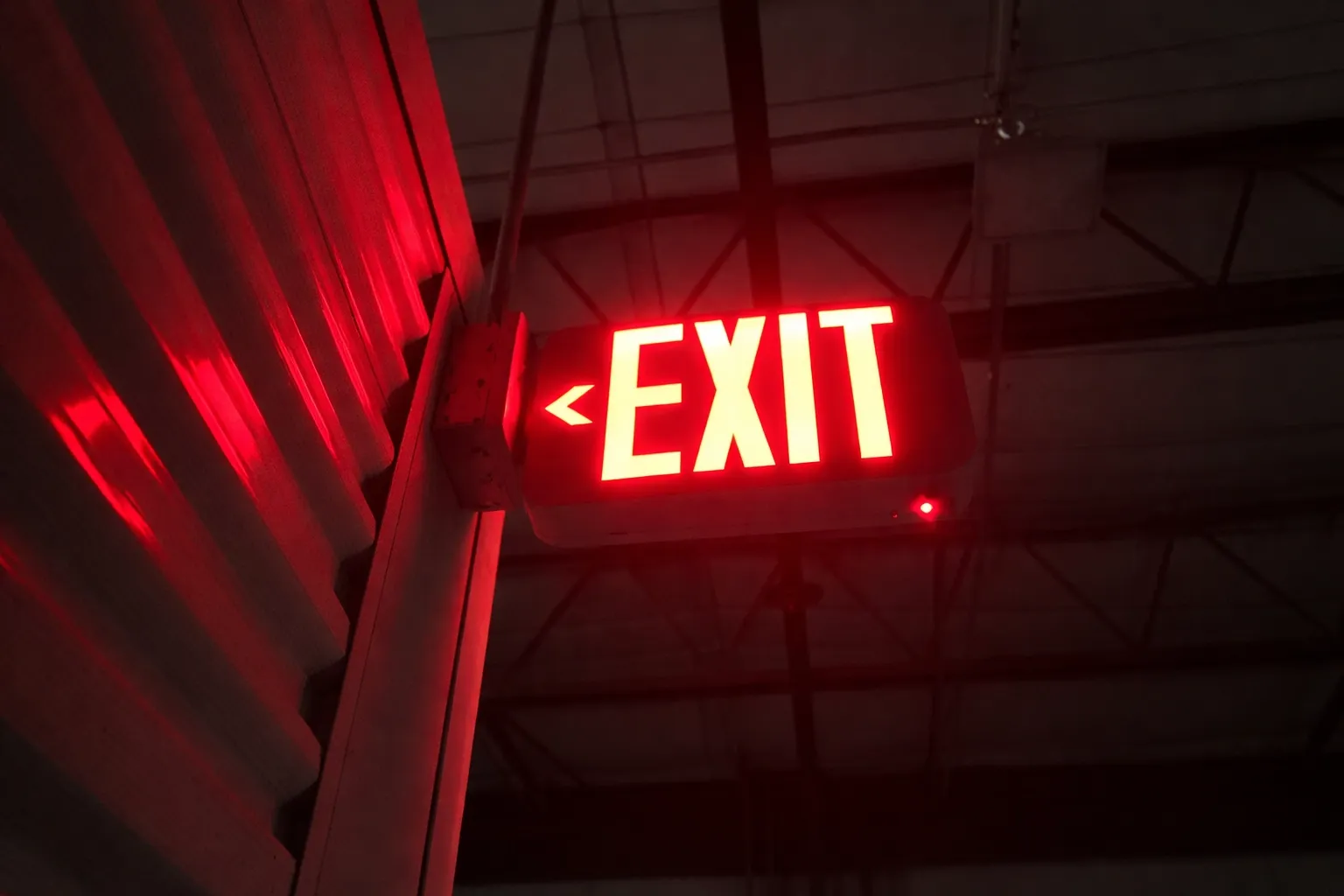

A citation shows what failed on one day. It doesn't show what was building before it. Risk develops quietly in operations—over time—until it surfaces all at once. We identify those conditions early, before they turn into enforcement, disruption, or insurance exposure.
Founder · Fire Captain
What Operators Ask Before Scheduling an Assessment
When should we request an Inspection Exposure Analysis instead of an Operational Risk Review?
Request an Inspection Exposure Analysis when something has already surfaced—such as a citation, near-miss, insurance concern, acquisition, or operational change. This is a focused, diagnostic review designed to identify what else may be building beyond the visible issue—before it leads to further enforcement, disruption, or exposure.
Do you only look at fire-code issues, or broader life-safety exposure?
We assess the full life-safety exposure of the property as it exists in real operations—not just what appears on plans or prior approvals. Our role is to identify where conditions may create risk and clarify where additional specialty review may be needed, without replacing design professionals or existing systems.
What do we actually deliver?
You receive a prioritized, decision-ready risk register—not a generic report. Each item is structured so leadership can quickly understand what matters most, what carries the greatest exposure, and what should be addressed first. The result is a clear path forward that aligns operations, ownership, and insurance—without debate or guesswork. It also captures conditions that may not trigger a citation today, but are building toward future exposure—so you're not just reacting, you're getting ahead of it.
We are buying the property — can you assess it during due diligence?
Yes. Pre-acquisition risk identification is one of the most common reasons we are called. We assess the building alongside your diligence team, document fire-code exposure that would not show up on a phase-one environmental or a standard property-condition report, and quantify what the next owner would inherit. The register becomes a negotiating document and a day-one remediation plan.
Can you coordinate the remediation work after the assessment?
Yes — through our Correction Coordination service. We take prioritized items and drive them to resolution, coordinating directly with the right contractors and aligning work with fire prevention expectations. You stay focused on operations while we keep progress moving, documentation clean, and outcomes aligned for inspection, ownership, and insurance.
After the Citation, Before the Next One
Turn Unknown Exposure Into a Prioritized, Scored Plan.
Request a diagnostic assessment. Scored risk register back in 5 business days — and a remediation path through our Correction Coordination team for the items that cannot wait.